


How Victims of Domestic Abuse Can Apply for a Green Card Independently (VAWA)
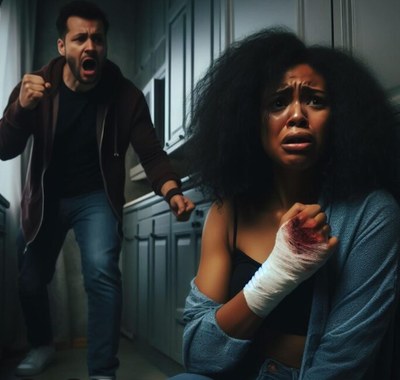
Living with domestic abuse is difficult under any circumstances. For immigrants, the situation can feel even more frightening when an abusive spouse or family member uses immigration status as a threat.
Many survivors stay silent because they fear deportation, losing their children, or being separated from the life they have built in the United States. What they may not know is that U.S. immigration law provides protections for certain victims of domestic violence.
One of those protections is the Violence Against Women Act (VAWA), which allows qualifying victims to file an immigration petition without relying on their abusive family member.
What Is VAWA?
VAWA is a federal law that provides immigration protections to certain spouses, children, and parents who have experienced battery or extreme cruelty by a qualifying U.S. citizen or lawful permanent resident.
One of the most important features of VAWA is the self-petition. Instead of depending on the person who abused them to file an immigration petition, an eligible survivor may be able to file Form I-360 independently.
VAWA is gender-neutral. Despite its name, the protection is available to qualifying men and women.
USCIS also provides special confidentiality protections for VAWA self-petitioners, including restrictions on the disclosure of information about the victim in most circumstances.
Who May Qualify for a VAWA Green Card?
Eligibility depends on the survivor’s relationship with the abuser and the circumstances of the abuse.
Generally, a person may qualify if they were subjected to battery or extreme cruelty by a:
* U.S. citizen or lawful permanent resident spouse or former spouse;
* U.S. citizen or lawful permanent resident parent; or
* U.S. citizen son or daughter who meets the applicable requirements.
For a spouse-based petition, the applicant generally must have lived with the abusive spouse, entered the marriage in good faith rather than solely for immigration purposes, and demonstrate good moral character.
The details matter. A person who does not qualify for VAWA may still have another immigration option, such as a U visa or T visa, depending on what happened.
What Counts as Domestic Abuse?
Domestic abuse is not limited to physical violence.
Abuse may include physical, emotional, psychological, verbal, sexual, financial, or controlling behavior. Threats, intimidation, stalking, isolation, and other forms of extreme cruelty can also be relevant to an immigration case.
For survivors, one of the most important steps is documenting what happened.
Evidence That Can Support a VAWA Case
A VAWA petition should tell a clear and credible story supported by evidence. The evidence will depend on the circumstances of each case.
Potential evidence may include:
* Police reports or incident reports
* Restraining or protective orders
* Medical records
* Photographs of injuries or property damage
* Threatening emails or text messages
* Screenshots of social media messages
* Counseling or therapy records
* Shelter records
* Statements from family members, friends, neighbors, or other witnesses
* Documentation showing that you lived with the abuser
* Marriage certificates and other relationship records
* Photographs, correspondence, or financial records showing a good-faith marriage
* A detailed personal declaration describing the relationship and abuse
A personal declaration can be especially important because it allows USCIS to understand the experience behind the documents. The absence of a police report does not automatically mean a survivor has no case. Evidence must be evaluated in the context of the entire petition.
How Does the VAWA Process Work?
A VAWA case commonly begins with Form I-360, Petition for Amerasian, Widow(er), or Special Immigrant, along with supporting evidence establishing eligibility.
Depending on the applicant’s circumstances and visa availability, Form I-485, Application to Register Permanent Residence or Adjust Status, may also be filed. USCIS allows certain VAWA applicants to file the I-360 and I-485 together when the applicable requirements are met.
Other immigration applications, including employment authorization, may also be available depending on the case.
Because every immigration history is different, filing the right forms is only part of the process. The timing, evidence, prior immigration history, criminal history, relationship with the abuser, and other circumstances can affect the case.
What If VAWA Does Not Apply?
VAWA is not the only form of immigration protection available to people experiencing abuse or exploitation.
Depending on the facts, a survivor may potentially qualify for a U visa, which is designed for victims of certain qualifying crimes who meet specific requirements, or a T visa, which provides protection for certain victims of severe human trafficking.
Children and young people who have experienced abuse, abandonment, or neglect may also have an immigration option through Special Immigrant Juvenile (SIJ) Status.
These categories have different eligibility rules. An immigration attorney can review the circumstances and determine which option, if any, may be appropriate.
Why Legal Guidance Matters
A VAWA case is more than a collection of forms. It requires presenting sensitive personal circumstances in a way that addresses the legal requirements while protecting the survivor’s privacy and interests.
Trying to handle the process without understanding the requirements can create unnecessary problems, particularly when an applicant has complicated immigration history, previous applications, criminal records, a divorce, or limited documentation.
At Mokolo Law Firm, our immigration attorneys help survivors understand their options, prepare VAWA petitions, organize supporting evidence, and navigate the immigration process with care and confidentiality. Mokolo Law Firm handles VAWA, U visa, T visa, adjustment of status, and other immigration matters.
Final Thoughts on How Victims of Domestic Abuse Can Apply for a Green Card Independently (VAWA)
Leaving an abusive relationship is already a difficult decision. Fear about immigration status should not be another reason a survivor feels trapped.
For people who qualify, VAWA can provide a path toward immigration stability without requiring cooperation from the abusive family member. It can allow survivors to take control of their immigration future and begin rebuilding their lives.
If you are experiencing abuse, prioritize your safety. Keep important documents somewhere secure, seek appropriate medical or emergency assistance when necessary, and avoid allowing an abusive person to control your access to legal information.
Most importantly, do not assume that an abusive spouse or family member has the power to determine your immigration future. You may have legal options that you have not considered.
Frequently Asked Questions
1. Can I apply for a green card without my abusive spouse’s help?
Potentially, yes. An eligible VAWA survivor can self-petition rather than depending on the abusive family member to sponsor the immigration process.
2. Does VAWA apply only to women?
No. VAWA immigration protections are not limited by gender. Qualifying men can also file VAWA self-petitions.
3. Do I need a police report to file a VAWA case?
Not necessarily. Different forms of credible evidence may support a VAWA petition. The appropriate evidence depends on the facts of the case.
4. What if my abusive spouse and I are already divorced?
A former spouse may still qualify in certain circumstances, but specific requirements apply. The timing of the filing and the connection between the abuse and the divorce can matter. Speak with an immigration attorney before assuming you are no longer eligible.
5. Can I get a work permit through VAWA?
Depending on the circumstances and the immigration applications filed, employment authorization may be available. Eligibility and timing vary by case. ([USCIS][5])
6. Is my VAWA case confidential?
VAWA self-petitioners receive special confidentiality protections under federal law. USCIS places restrictions on the disclosure and use of information related to protected applicants. ([USCIS][2])
7. What should I do if I think I may qualify?
Speak with an experienced immigration attorney before filing. A lawyer can review your relationship, immigration history, evidence, and circumstances and help determine whether VAWA or another form of immigration relief may be available.
Get Legal Help With Your VAWA Case
You do not have to face the immigration process alone.
If you are a survivor of domestic abuse and are worried about your immigration status, Mokolo Law Firm can help you understand your legal options and determine the appropriate path forward. Our immigration attorneys provide personalized representation for VAWA petitions and other forms of humanitarian immigration relief.
Your safety matters. Your immigration status matters. And you deserve to understand your options before making a decision that could affect your future.
Contact Mokolo Law Firm today to schedule a consultation and discuss your case with an experienced immigration attorney.
Latest Posts
 by Mokolo Law
Special Immigrant Juvenile Status in Texas: Why the State Court Order Comes Before USCIS
For a young person who has experienced abuse, neglect, or abandonment by a parent, immigration options can feel complicated and difficult to understand....
by Mokolo LawCan You Apply for Asylum After One Year?
For many people seeking protection in the United States, the asylum process begins with a basic question: How long do I have to apply? Generally, federal...