

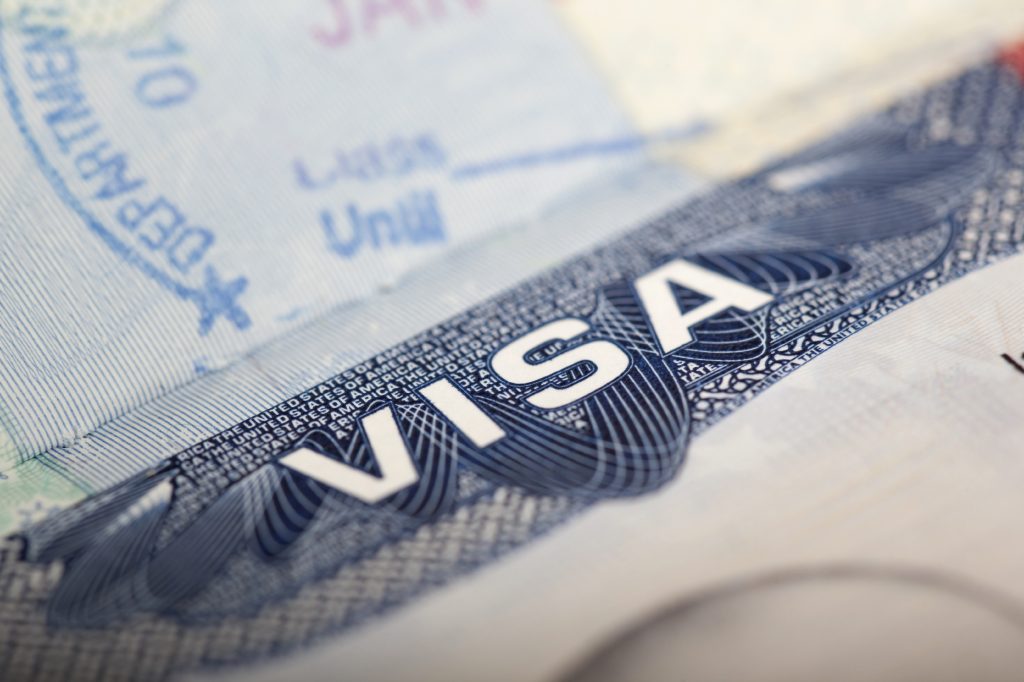

What is a U-Visa?
A U visa is an immigration option for certain victims of qualifying crimes. However, reporting a crime does not by itself establish eligibility. The facts, required certification and other immigration requirements all need review.
Who may qualify for a U visa?
The crime must qualify under the law. In addition, the victim must have suffered substantial physical or mental abuse and meet the information and helpfulness requirements. The crime must have occurred in the United States or violated U.S. law.
A qualifying official must provide the required certification. Applicants also need to meet admissibility requirements or qualify for a waiver. Therefore, a police report alone is not the same as an approved immigration petition.
What does the U visa process involve?
The main petition uses Form I-918, with the required Supplement B certification. Some family members may qualify through a separate supplement. However, the rules depend on the relationship and the applicant’s circumstances.
For the government overview, see the Department of State’s victim visa guidance. Approval, work permission and later permanent residence involve their own requirements. Do not assume that filing a petition immediately grants those benefits.
Preparing for a consultation
First, gather the records you already hold. These may include incident reports, court documents, messages, medical records and prior immigration notices. Next, make a short timeline so your attorney can understand the events and any deadlines.
If records are missing, explain that to your attorney. Do not alter documents or put yourself at risk to obtain them. Instead, ask how to document your circumstances safely and accurately.
Discuss your options with Mokolo Law Firm
Our Houston team can review your concerns and explain the questions that need attention. We can also discuss the relationship between a victim-based application and other immigration matters.
Learn about our U visa and T visa services, or contact Mokolo Law Firm to request a consultation. Bring any pending court or immigration notices so we can review the dates with you.
Latest Posts
 by Mokolo Law
How to File a Protective Order in Houston or Fort Bend County for Domestic Violence
Taking legal action against someone you once trusted is never easy. But when a relationship becomes abusive and your safety is at risk, protecting yourself...
by Mokolo LawHow to Modify a Child Custody Order in Fort Bend County
When an existing custody order no longer fits your child's daily life, Texas law lets you request a formal modification. At Mokolo Law, we guide...